Call us now: 0857439597 
Body Health and Fitness
  • What we offer
    • Personal Training
    • Group Training
    • Nutritional Review
    • LEAN IN QUARANTINE
  • About Us
    • Gallery
    • Testimonials
  • Contact Us
    • Blog
  • What we offer
    • Personal Training
    • Group Training
    • Nutritional Review
    • LEAN IN QUARANTINE
  • About Us
    • Gallery
    • Testimonials
  • Contact Us
    • Blog

Our Blog

Two Turtle Doves

12/3/2025

0 Comments

 
Picture
​“Two Turtle Doves”
 .
🏋️‍♂️ Grab a mate and keep each other accountable
.
Increased Motivation
🎅Having a workout partner helps you stay committed and pushes you to show up even when you feel like skipping a session.

Accountability
🎅You’re less likely to cancel or procrastinate because someone else is counting on you to be there.

Better Performance
🎅Friends can encourage you to push harder, try new exercises, and maintain proper form, leading to improved results.

Social Connection
🎅Training together makes exercise more enjoyable and strengthens your friendship, turning workouts into a fun social activity.

Safety and Support
🎅A friend can spot you during challenging exercises, reducing the risk of injury and boosting your confidence to try new things.
.
#GymBuddy #fitness #gym
0 Comments

A Partridge in a Pear Tree: balance & moderation

12/3/2025

0 Comments

 
Picture
​ “A Partridge in a Pear Tree”
.
Kick-off tip 👉 balance & moderation “On the 1st day of Christmas, my trainer said to me… balance is key! 
.
🍐 Enjoy the treats, but keep portions in check. A little of everything, not a lot of one thing.
.
🎅Enjoy treats mindfully – Savour your favourites without overindulging.
.
🎅Prioritise movement – A festive walk or dance keeps energy flowing.
.
🎅Stay hydrated – Water helps balance those seasonal sips.
.
🎅Listen to your body – Pause when you feel full; comfort beats excess.
.
🎅Focus on connection – Memories matter more than mountains of food.
.
 #IrishFitness #ChristmasBalance #countdownison 
0 Comments

Fitness Myths & Facts

12/3/2025

0 Comments

 
Picture
​👉Myth 1: Spot Reduction is Possible
.
⚠️The Myth: You can lose fat in specific areas of your body by targeting that area with certain exercises. For example, doing a lot of ab exercises will burn belly fat, or doing arm exercises will get rid of fat on your arms.
.
✅️The Truth: Spot reduction is a myth. Fat loss doesn't work that way. When you lose fat, your body decides where it comes off based on genetics and other factors like hormone levels. 
.
You can't control which areas burn fat first.
To lose fat from any part of the body, you need to be in a caloric deficit and engage in overall fat-loss strategies, like a combination of cardio, strength training, and a balanced diet.
.
👉Myth 2: Eating Fat Makes You Fat
.
⚠️The Myth: Consuming fat in your diet will automatically lead to fat gain.
.
✅️The Truth: Fat is an essential nutrient, and when consumed in moderation, it does not directly cause fat gain. Healthy fats like those from avocados, nuts, seeds are beneficial for hormone production and overall well-being. The issue is consuming excess calories, regardless of whether those come from fat, carbs, or protein. Can lead to weight gain.
The key is to focus on a balanced diet and avoid consuming too much of any nutrient, including fats.
.
👉Myth 3: You Have to Cut Carbs to Lose Fat
.
⚠️The Myth: Carbohydrates are the enemy when it comes to fat loss. Cutting carbs will instantly lead to fat loss.
.
✅️The Truth: While low carb diets like keto or paleo can work for some people (mainly because they reduce overall calorie intake and limit certain food groups), carbs themselves are not inherently bad. Carbs are a major source of energy, especially for those who are active. The key is focusing on quality carbs, like whole grains, fruits, and vegetables, and moderating your portion sizes.
.
Cutting carbs drastically can lead to muscle loss, energy depletion, and an unsustainable eating pattern in the long run. It’s better to focus on a balanced, varied diet rather than completely eliminating one macronutrient.
#nutrition #mythsdebunked #healthandwellness #healthychoices #consistency #weightlifting
#fatloss #buildingmuscle #motivation #macronutrients #goalsetting #gym

0 Comments

Calories In, Calories Out

12/3/2025

0 Comments

 
​The "Calories In, Calories Out"  concept is a fundamental principle of fat loss. It states that to lose weight, you need to burn more calories than you consume.
.
Calories In
This refers to the total energy you get from the food and drinks you consume. Each food item has a specific calorie value based on its macro composition (carbohydrates, proteins, and fats).
.
Calories Out
This includes the total energy expenditure your body uses, which can be broken down into:
👉The calories your body needs at rest to maintain basic functions like breathing and circulation (BMR)
👉Then there are the calories burned through daily movement, including exercise.
.
⚠️To lose fat, you need to create a calorie deficit by either REDUCING👇 your calorie intake, 
INCREASING☝️ your physical activity, or a combination of both. When your body is in a deficit, it begins to utilize stored fat for energy, leading to fat loss over time.
.
Maintaining a calorie deficit is essential for effective fat loss, while a surplus leads to weight gain. It cones down to what your goals are.
#calories #caloriecounting #caloriedeficit #macronutrients #nutrition #discipline #goalsetting #food #fitness #workout #gym #health #healthyfood #healthylifestyle #bhafdublin
Picture
0 Comments

​8 common causes of weight gain

12/3/2025

0 Comments

 
Picture
1)Excessive Caloric Intake: Consuming more calories than your body burns through physical activity can lead to weight gain. Be mindful of your diet and portion sizes.
2)High Sodium Intake: Eating salty foods can cause water retention, leading to temporary weight gain. Restaurant meals and fast food often contain high levels of sodium.
3)Lack of Physical Activity: Sedentary lifestyles can lead to weight gain. As we know, exercise helps burn calories and maintain a healthy weight.
4)Genetics: Genetic factors play a role in obesity. Some people may be predisposed to gain weight more easily.
5)Insomnia: Poor sleep patterns may contribute to weight gain in both children and adults.
6)Quitting Smoking: Some individuals gain weight when they stop smoking tobacco products.
7)Polycystic Ovary Syndrome (PCOS): Hormonal imbalances associated with PCOS can lead to weight gain.
8)Thyroid Disorders: Hypothyroidism can slow down metabolism, leading to weight gain.
.
Remember that weight fluctuations are normal, but sudden and significant changes warrant consultation with your doctor.
.
#fatloss #fitness #exercise #energy #askwhy #nutrition #healthylifestyle #healthychoices #bhafdublin

0 Comments

Full Body workouts.. why might they be good for you?

8/1/2023

0 Comments

 
Picture
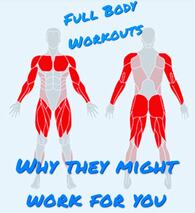
Full body workouts are ideal for those with limited time available because they can be completed in a shorter amount of time compared to split routines that focus on specific muscle groups on different days. This is because full body workouts require less time in the gym and less rest between exercises, allowing for a more efficient use of time.
​
Full body workouts involve exercises that target multiple muscle groups and movement patterns in one session, allowing for a total body workout in a single session. This can be beneficial for beginners and intermediates because it allows them to learn and practice a variety of exercises and movement patterns in one workout, helping to build a solid foundation of strength and fitness.
.
Overall, full body exercise routines are a great option for beginners, intermediates gym goers, and those with LIMITED TIME available because they can provide a comprehensive workout that targets multiple muscle groups and movement patterns in a shorter amount of time, while also helping to build a solid foundation.
0 Comments

the pro's & con's of diets

8/1/2023

0 Comments

 
Intermittent Fasting:
Pros:
Can promote weight loss by reducing calorie intake without requiring strict food restrictions or counting calories
Can improve insulin sensitivity and blood sugar control, reducing the risk of type 2 diabetes
May have anti-inflammatory effects and promote cell repair.
Cons:
May lead to increased hunger, irritability, and difficulty concentrating during fasting periods
Can be challenging to maintain long-term, especially for people with irregular schedules or social obligations
May not be suitable for people with certain medical conditions, such as diabetes or eating disorders

Keto Diet:

Pros:
Can promote weight loss by inducing a state of ketosis, where the body burns fat for fuel instead of carbohydrates
Can improve blood sugar control and reduce insulin resistance, reducing the risk of type 2 diabetes
May have anti-inflammatory effects
Cons:
Can be difficult to maintain, especially in social situations or when eating out
Can cause unpleasant side effects such as constipation, bad breath, and fatigue during the initial adjustment period
May not be suitable for people with certain medical conditions, such as liver or pancreatic disease

Calorie Deficit:
Pros:
Can promote weight loss by creating a negative energy balance, where the body burns more calories than it consumes
Can be personalized to individual needs and preferences, allowing for a more flexible approach to weight loss
Can be combined with other dietary approaches, such as intermittent fasting or a balanced macronutrient distribution, for additional health benefits
Cons:
May lead to increased hunger and cravings. However, this would be expected as you are introducing your body to a calorie deficit.
Can result in a loss of muscle mass and a slowed metabolism if not done properly, leading to weight regain
May not be suitable for people with certain medical conditions, such as eating disorders or thyroid problems.
.
It is important to note that the effectiveness and suitability of these dietary approaches can vary widely depending on individual factors such as lifestyle, health status, and personal preferences.
#diets #pros #cons #nutrition #macros
0 Comments

lets talk about calorie deficit

8/1/2023

0 Comments

 
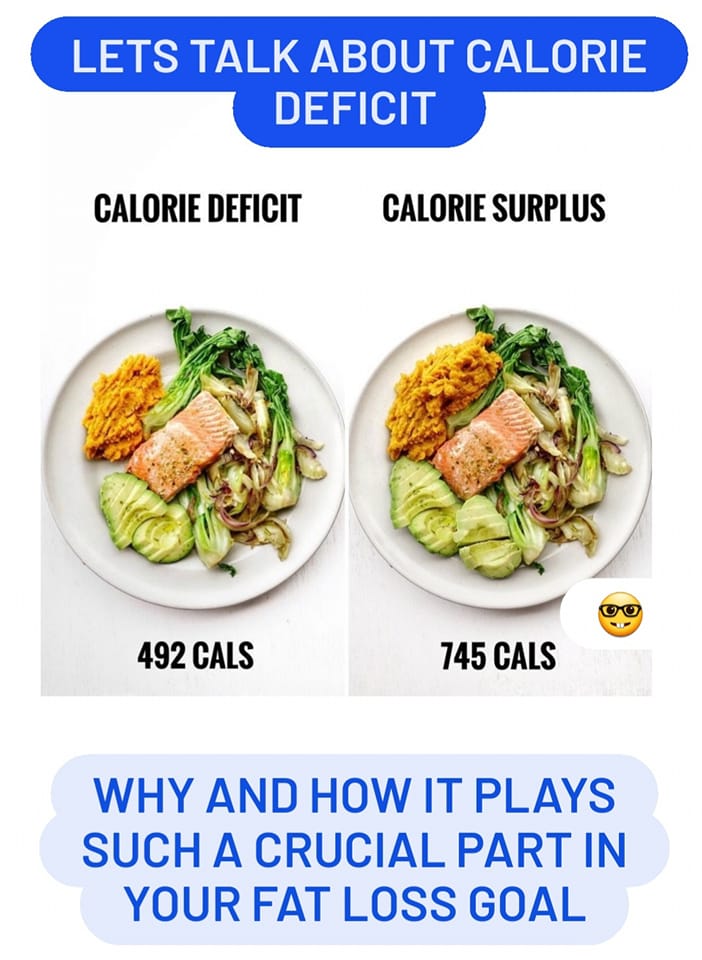
​When it comes to losing body fat, creating a calorie deficit is often necessary. A calorie deficit means consuming fewer calories than your body needs to maintain its current weight. The concept is based on the principle of energy balance: if you consistently consume more calories than you are burning off, you will gain weight. The same goes for if you consistently consume less calories than you expend, you will lose weight.
Picture
​
.
Here's why a calorie deficit is typically recommended for losing body fat:
.
The balancing act: The body stores excess calories from food in the form of fat. By consuming fewer calories than your body needs, you force it to tap into its fat stores to make up the energy deficit. This leads to a reduction in body fat over time.
.
Fat storage: When you consume more calories than your body requires, the extra calories are converted into triglycerides and stored as body fat. By creating a calorie deficit, you decrease the supply of readily available calories, encouraging the body to utilize stored fat for energy.
.
Metabolism: When you consistently consume fewer calories, your body adjusts its metabolic rate to some extent to conserve energy. However, this adjustment is not significant enough to have no effect on the calorie deficit, and weight loss can still happen.
.
While a calorie deficit is an effective strategy for losing body fat.
.
It is so important to do it in a balanced and sustainable way. I recommended that you combine a moderate calorie deficit with a well balanced diet and to not fall into the trap of heavily relying on supplements or liquid diets, use real foods. Incorporate regular exercise with a combination of weights and some form of cardio based exercise i.e. hiking, walking crosstrainer.
0 Comments

Setting your calorie intake too low can be counterproductive to fat loss.

8/1/2023

0 Comments

 
Picture
This is why!
.
👇👇👇👇
.
Muscle loss: Severely restricting calories can lead to muscle loss along with fat loss. When your body doesn't take in sufficient calories, it may break down muscle tissue to meet your calorie needs. This can result in a slower metabolism, decreased strength, and a less toned appearance. 
.
Nutrient deficiencies: When drastically reducing your calorie intake, it may limit the variety and quantity of foods you consume. This restriction can make it challenging to meet your nutrient requirements, including essential vitamins, minerals, and macronutrients. Nutrient deficiencies can negatively impact your energy levels, overall health, and ability to take part in physical activity effectively.
.
Metabolic slowdown: Prolonged calorie restriction can signal to your body that it is in a state of famine, triggering adaptive responses aimed at conserving energy. This can lead to a slowdown in your metabolism, making it harder to continue losing fat. Your body becomes more efficient at utilizing the available energy, which can reduce the rate at which you burn calories.
.
Sustainability: Extremely low-calorie diets can be difficult to sustain in the long term due to them being too restrictive. Severe hunger and feelings of deprivation can lead to binge eating episodes or worse... you giving up on your diet altogether. Consistency along with commitment is key to any nutritional plan. When aiming to achieving your fat loss goals.
.
Negative health effects: Extremely low-calorie diets can have adverse effects on your health, including hormonal imbalances, weakened immune function, impaired cognitive function, and increased risk of nutrient deficiencies. Your body requires a range of nutrients to function optimally, and severe calorie restriction can compromise your overall well being.
.
Lastly guys, it is important to set realistic fat loss targets in a realistic time frame. Not the usual nonsense of "my holidays in 3 weeks, I need to drop a stone" 
.
Rather than setting excessively low calorie targets, aim for a moderate calorie deficit that allows for gradual and consistent weight loss.

0 Comments

lean in 2019

1/3/2019

0 Comments

 
Picture
It’s January! time to familiarise ourselves again with the barrage of articles, programmes and social media posts on how to finally shift the weight for 2019. Hooray, here’s another one - is what I imagine this post will be met with, but bear with it as it offers some practical advice.

Having just browsed the national media sites, there’s so much noise and mixed advice when if comes to health and fitness,  it might be less confusing entering Brexit negotiations.

Admittedly the majority of advice is pretty good, but nevertheless it seems to be a time when information outlets are just trying to shout over each other.

The health industry is strange in that everyone has at least a passing interest in their own health, regardless of how much skin you have in the game. with so many differing opinions and options, it's therefore no surprise individual perceptions on both exercise and nutrition vary greatly.

The vast majority seem to focus on how to start introducing exercise into your life. All very well, if there’s one best intervention for your overall health, it’s probably exercise.

From purely a weight loss or fat loss perspective though it’s perhaps a little misguided so here’s our ‘hot take’ to borrow a phrase.

As beneficial as exercise is, if your goal is changing your body composition then what enters your mouth is by far the biggest determinant, and that is largely a game of maths.

We say that not to detract from exercise but if we told you how few calories you expend, especially as a beginner you’d throw in the towel before even starting.

Anecdotally perhaps, this may be a reason people seem to pack in their resolutions after a fortnight. 

Exercise, if you’ve no previous experience (sometimes even if you do) is difficult to instigate, by its very nature it requires effort to start and momentum to continue.

Evenings are dark and chilly and gyms tend to be at their busiest, neither the most inviting of environments at this time of year.

Who’s going to continue with anything if it involves a combination of a.) excessive suffering and b.) a lack of results.

That all sounds pretty depressing so far, but explaining this to our clients is our first step. If you know what to focus on…along with what sort of results to expect then you’re more likely to realise you’re on the correct path when you’d ordinarily ditch it.

So here’s a few things to do (and expect)

Give it time
Everything is moving quicker, everything is on demand but our physiology hasn’t changed. There are very real physical limitations on the amount of fat you can lose in a specific time period. Extreme diets skew this, with the majority of weight you lose on the scales a combination of fat, water, muscle, bulk in the digestive tract etc. rather than all fat.

Fix your sleep (and stress levels)
There’s now plenty of solid evidence regarding the importance of quality sleep, and the implication of its lack. We all know how to improve it, so as a first step to making better health decisions, fix this first.

Focus on strong and healthy rather than just lean
W.H.O. guidelines now include some form of strength training. Learn how to do that safely and effectively and bask in its benefits, both long term and short.
​
Make your nutrition approach simple
Eat like an adult. Have an awareness of, or track your caloric intake. Avoid poor food choices, opt for some form of protein at each meal, plenty of fruit and vegetables and try not to drink your calories. Those changes alone will yield you the majority of your results....that will hopefully last longer than January!
0 Comments
<<Previous

    Archives

    December 2025
    August 2023
    January 2019
    February 2018
    January 2018
    December 2016
    October 2016
    July 2016
    May 2016
    April 2016
    March 2016
    December 2015
    November 2015
    October 2015
    September 2015

    Categories

    All
    Competition
    Diet
    Food
    Health And Immunity
    Mindfulness
    Mindset
    Nutrition
    Personal Training
    Programming
    Training

    RSS Feed


PERSONAL TRAINING
​GROUP CLASSES
OUR BLOG
​ABOUT US

TESTIMONIALS
​CONTACT BHAF


31 SPRUCE AVE,
STILLORGAN BUSINESS PARK,
SANDYFORD
,
DUBLIN 

​A94H2T0
CALL US ON  085 743 9597

AS SEEN ON:


As seen on
| FREE PARKING | PERSONAL TRAINING | GROUP CLASSES
​© Body Health and Fitness | Site by: Juice